
Using Old EV Batteries to Power Street Lights
Here's how it works...


Today’s sustainable snapshot👇🏽
Using Old EV Batteries to Power Street Lights
Quiz Time!
Startup of the Week: ReMadrass
5 Sustainable Brands That I Recently Discovered
3 Stories That Lifted My Spirits This Week
Using Old EV Batteries to Power Street Lights
EVs are growing in popularity, and that’s a great thing. Their overall pollution is less than traditional gas cars, and there are no tailpipe emissions. Now, as we know, EVs run on batteries that can last for a couple of years before they no longer serve the EVs, even though they are not fully discharged.
The most convenient way to get rid of these half-used batteries would be to dump them in a landfill and forget about them and their environmental impact.
But we are beyond a point where we can do convenient things at the cost of the planet.
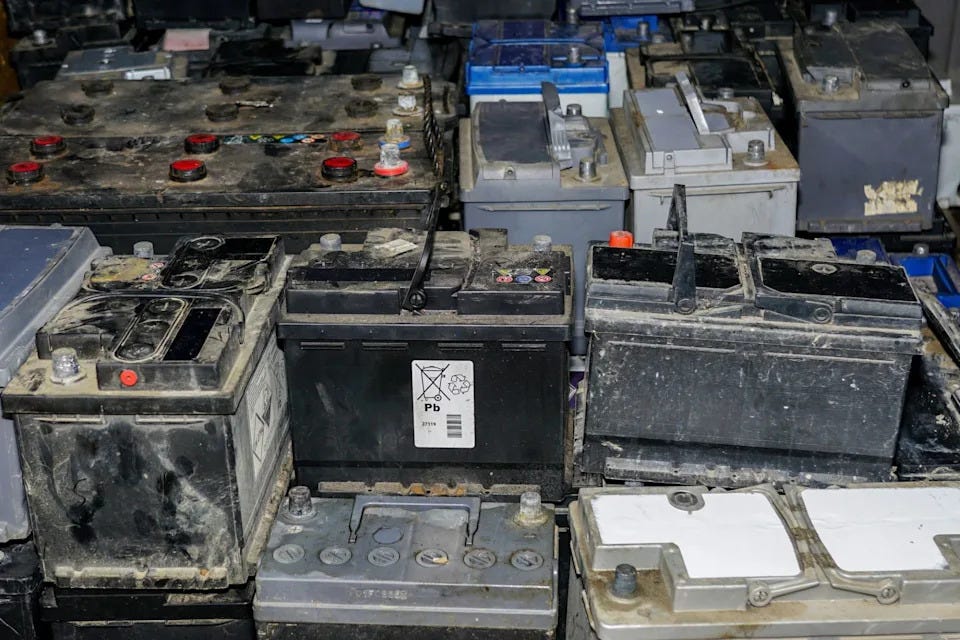
Jeju province in South Korea has realized this as well. It has started a pilot program to repurpose these EV batteries and use them for agricultural machinery and energy storage systems.
In fact, the program extends to 100 devices like farm equipment, transport robots, and streetlights that do not require a fully charged battery and can be powered by these repurposed batteries. The only condition is that these batteries should have at least 60% capacity.
These batteries also contain critical metals and minerals like nickel, cobalt, lithium, and manganese that have to be mined. Since they are mined, you can imagine the social and environmental impacts associated with them.
So South Korea is also working to raise its recycling rate for important minerals to 20% by 2030, anticipating an increase in retired EV batteries by the same year.
⌛ Time for the quiz of the week
Note: Answer at the end of the newsletter. No one (including me) can see your response, so feel free to vote. 😉
✨ Startup of the Week: reMadrass
When Lennert Hug found out that in Norway alone (with a population of 5.6 million), 750,000 mattresses are discarded annually, he knew something had to be done.
Lennert estimated that each mattress weighs an average of 21 kg, which results in an emission of 75 kg of CO2.
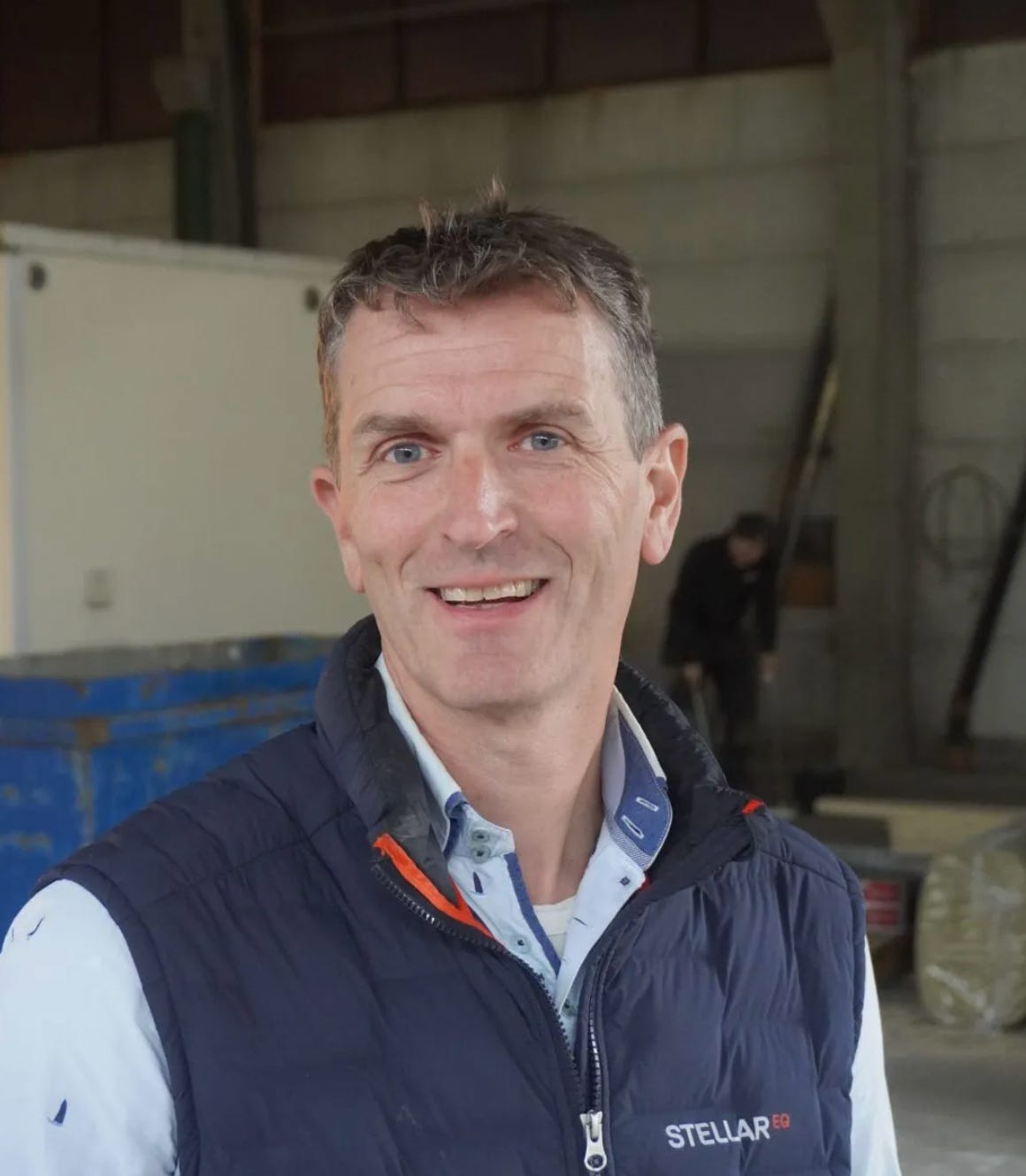
With around 3 million mattresses discarded in the Nordic region, that results in over 50,000 tons of waste, and almost 250,000 tons of CO2 emitted!
Lennert and team are solving this problem in Norway through their venture, ReMadrass (Madrass is a mattress in Norwegian). The first solution they offer is reusing existing mattresses.
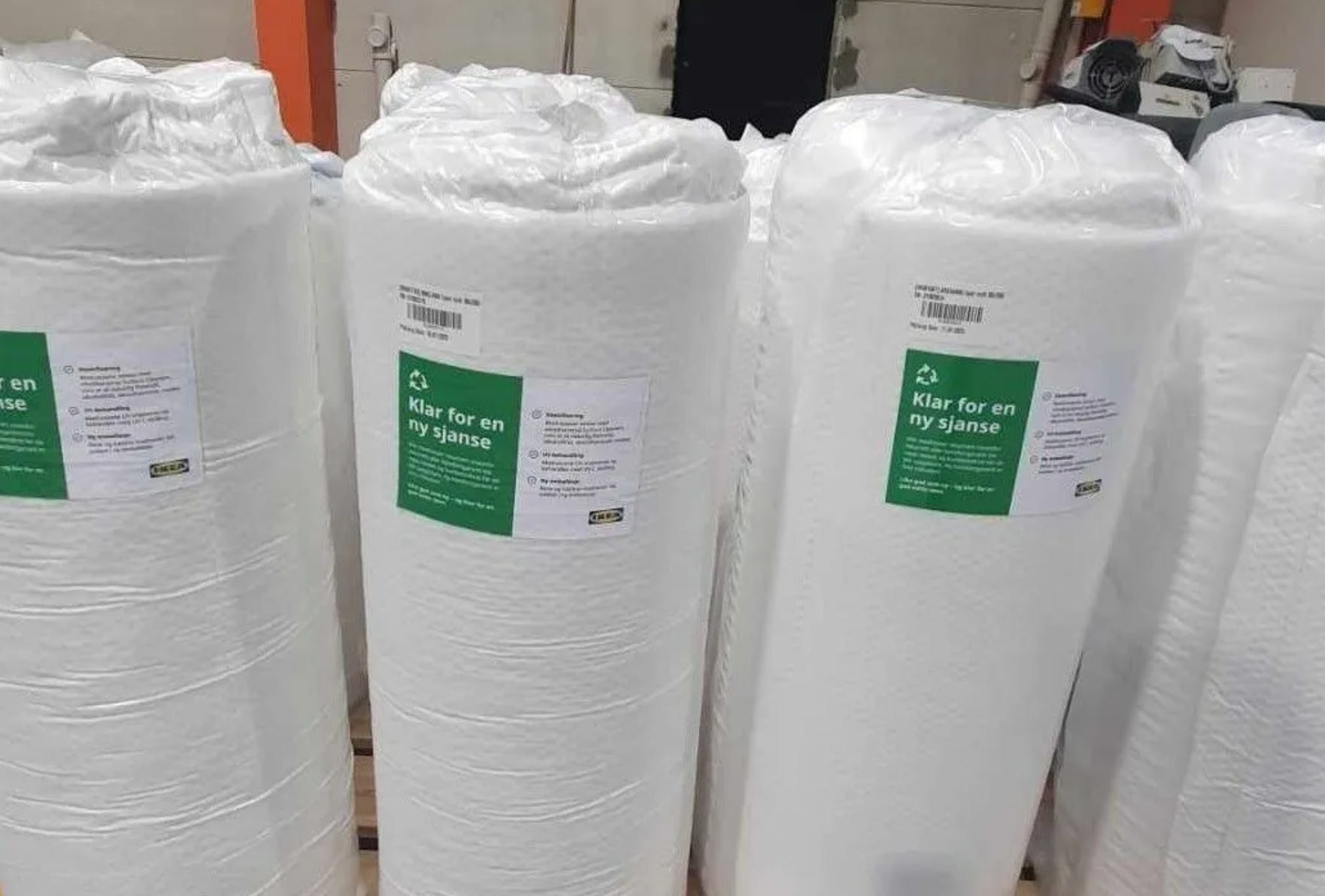
With partners like IKEA, they take used mattresses to their factories, inspect them, clean them using UV radiation, and a disinfecting shower.
These mattresses are then packed and labeled with information sheets about the process they have undergone at ReMadrass.
They are then sent back to the warehouses for sale and a further life.
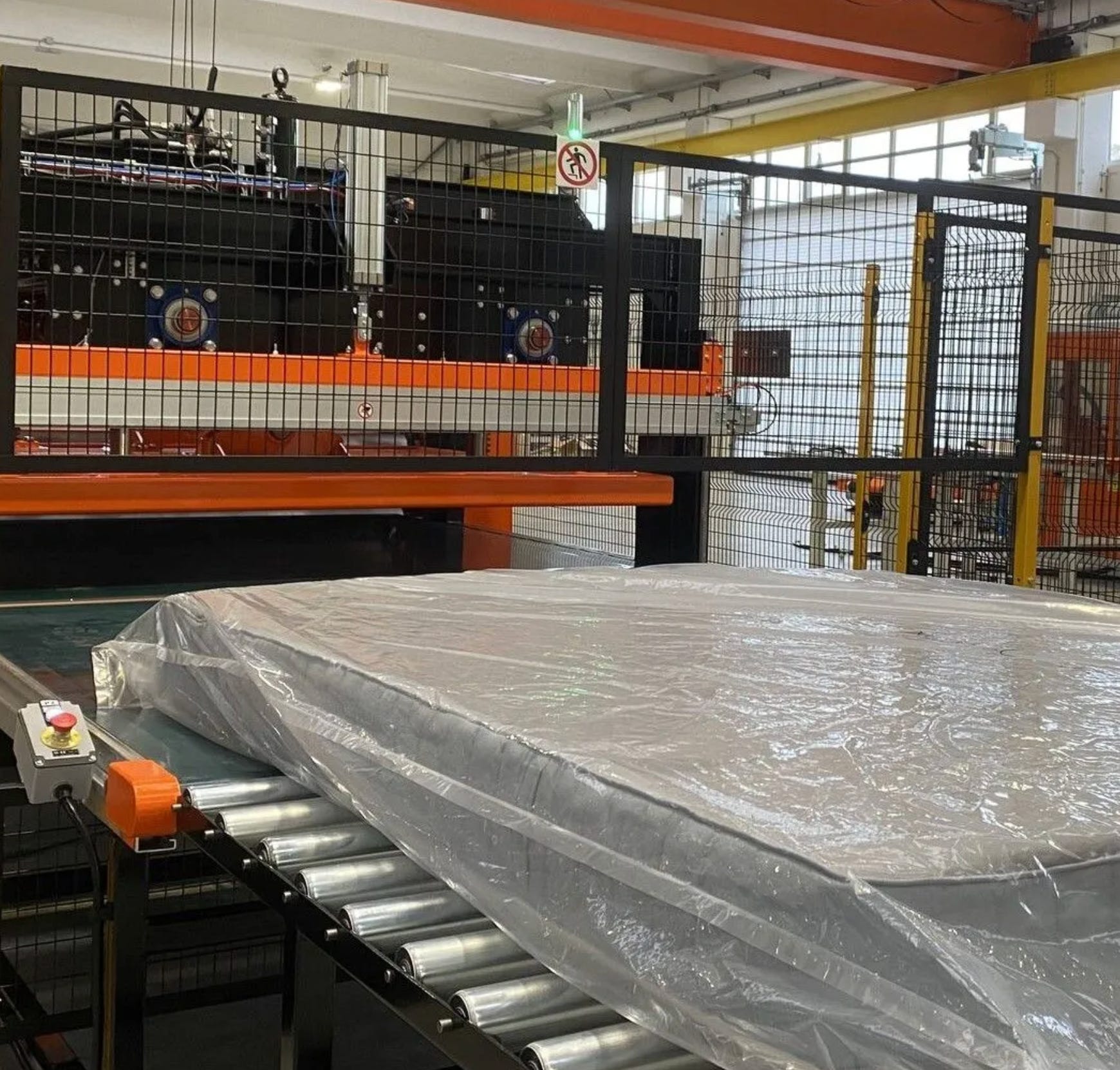
The brand is also working to repair and resell mattresses that do not pass quality control for reuse.
They will take in mattresses with minor defects, such as stains, broken zippers, or damaged covers.
They will then replace the broken parts, like a torn cover, and send it back for reuse and sale, instead of sending it to the local recycling station.
For end-of-life mattresses that cannot be reused, ReMadrass is working on dismantling them, sorting different fractions, and delivering them for recycling locally. The foam from the mattress will be sent to a newly developed recycling factory for processing, production, and reuse.
All of this will ensure that mattresses stay out of landfills and we use as few materials as possible!
✅ 5 Sustainable Brands That I Recently Discovered
🇫🇷 Neo Trucks: Turns old diesel trucks into EVs by retrofitting them with an electric motor and a battery pack.
🇬🇧 Altilium: Extracting critical minerals from old EV batteries so that we don’t have to mine them anymore.
🇸🇽 Overstory: Uses AI-powered intelligence to help electric utilities cut the offending greenery back before it causes power outages or wildfires.
🇺🇸 Stony Creek Colors: Replacing harmful, synthetic colorants in our clothes with 100% traceable plant-based dyes.
🇳🇴 Flocean: On a mission to deliver affordable freshwater by desalination of deep ocean water.
😹 3 Stories That Lifted My Spirits This Week
👕 Has someone worn it before?... Secondhand sales of clothes are growing faster than the new ones, and they are expected to hit $317 billion by 2028. While this is mostly supported by tariffs and inflation, and secondhand sales are still a tiny proportion of the overall fashion industry, I will take this as a win.
💪🏽 Still going strong… While the noise out there may say otherwise, a Harvard Business Review analysis of 75 global companies found that 53% are holding steady on sustainability commitments. What’s better is that 32% are even expanding on them, and just the remaining 8% are retreating.
💨 Let it blow… On November 11, 2025, Britain’s wind turbines set a new record, generating an impressive 22.7 gigawatts. That’s enough electricity to power 22 million homes!
Give that 💚 a little tap if this edition helped you learn something new about sustainability and climate change. Have a good weekend :)
Uplifting stories! It strikes me that the EV battery and mattress repurposing examples still call for more mindful consumption and us all embracing sufficiency - only using what we need. There will be too many EV batteries to recycle if households buy 2+ cars as their income grows, when we could make do with one.
“EVs run on batteries that can last for a couple of years before they no longer serve the EV.” This needs correction. On average, most EV batteries now last 10 or 20 years!