
Oil is Not the Only Thing Impacted By War
This one is threatening the food on our plates


Today’s sustainable snapshot👇🏽
Oil is Not the Only Thing Impacted By War
Quiz of the Week
Startup 1: Upside Robotics
Startup 2: Black Bull Biochar
Startup 3: Net Zero Nitrogen
Oil is Not the Only Thing Impacted By War
Since March 2026, the war in the Middle East has thrown many things into chaos, including the global fertilizer markets.
Here’s why that matters: half of the food we eat depends on synthetic nitrogen fertilizers like NPK and Urea.
These fertilizers are added to soil primarily as they provide essential nitrogen, a key component for amino acids, proteins, and chlorophyll. It boosts crop growth and increases agricultural yields.
Now, the key suppliers of these fertilizers, Saudi Arabia, Qatar, Kuwait, Iran, and the UAE, are constrained because the Strait of Hormuz is closed.
The Strait alone normally carries a third of the global fertilizer trade.

Also, fertilizers are made using energy-intensive industrial processes that run on natural gas, which, btw, has also been impacted by the war.
On top of that, we’re also in the middle of the spring planting season, when farmers need the fertilizer.
As a result, the world is looking at a food shortage.
The World Food Programme has warned that global food systems are under severe strain, with more than 360 million people facing acute food insecurity in 2026 and tens of millions at risk of famine.
As with everything else in the world, the poorest will feel the impact first, but eventually everyone will.
So what do we do?
First, a caveat: no single fix solves this. If you want a gut-check on how this feels on the ground, listen (not read) to NPR’s recent edition on small-scale farmers in India hanging by a thread because of the Iran war: Hanging by a thread.
Of course, the best solutions are to move away from these inorganic fertilizers altogether and start using organic ones. But that won’t happen overnight.
So while we keep working on that, we also have to look at technologies that reduce the need for inorganic fertilizers while maintaining the yield. More on them below but before that, here’s the quiz of the week:
⌛ Time for the quiz of the week
Note: Answer at the end of the newsletter. No one (including me) can see your response, so feel free to vote. 😉
Upside Robotics
Farmers often apply fertilizer in a single, uniform pass each season. This approach is inefficient and mistimed:
Only ~30% gets taken up by the crop, so most is wasted.
Growers have to front-load fertilizer even though crops need nutrients throughout the season.
The result is higher costs, more runoff and emissions, and less precise crop nutrition.
Upside Robotics is solving that with these lightweight (150 lbs), solar-powered autonomous robots that live in the field. On top of that is their software that runs on proprietary algorithms. It deciphers when and how much fertilizer the plants need using weather and soil data.


Instead of one big tractor doing a single uniform pass, these bots:
Navigate between crop rows with precision, just 22 inches wide to fit a 30-inch row gap
Apply fertilizer directly at the root level, in small, precise doses
Use AI algorithms that combine live soil, weather, and crop-stage data to decide when and how much to apply per plant
Recharge and refill automatically at a solar-powered base station
Operate 24/7, covering up to 100 acres per week
As a result:
70% less nitrogen is used
Up to $150 is saved per acre, per season
Farmers have healthier soil
Black Bull Biochar
Every year, millions of tons of agricultural waste are burned or left to rot, which releases carbon into the atmosphere and adds to air pollution.
At the same time:
Our soils are losing nutrients
Farmers are using more chemical fertilizers
Carbon levels in the atmosphere keep rising
Black Bull Biochar is solving both problems.
It takes the agricultural waste.
Heats it in a low-oxygen environment.
Turns it into biochar, a stable, carbon-rich material.
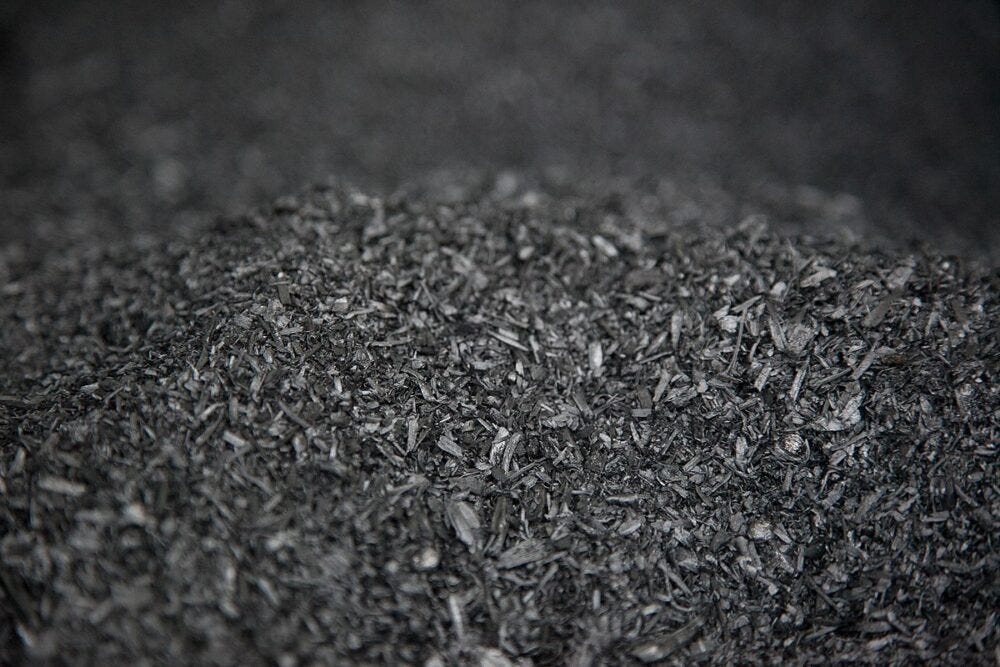
This biochar (with stored carbon) is put back into the soil. This process locks carbon into a solid form, instead of letting it escape into the air as CO₂.
Biochar also acts like a sponge in the soil, which holds nutrients and improves soil structure. As a result, farmers need fewer chemical inputs.
Net Zero Nitrogen
As we saw earlier, nitrogen is essential for crop growth. The higher the soil nitrogen, the better the crop growth, and that’s why nitrogen fertilizers are added to the soil.
But unfortunately, they are not good for the planet. 5% of greenhouse gas emissions come from them. They also lead to polluted waterways & loss of biodiversity.
UK-based Net Zero Nitrogen has an alternative.
It has developed a biomaterial that comes as a freeze-dried powder.
It gets mixed with water and applied directly to the seeds.
This allows the seeds to get nitrogen directly from the air.
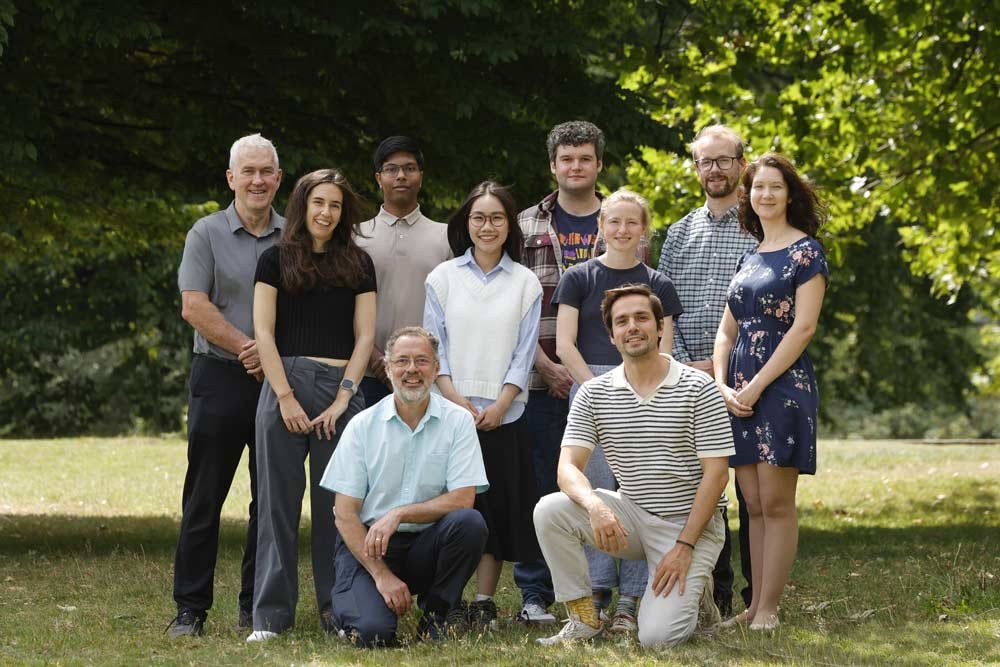
This reduces their dependence on the nitrogen in the soil, and thus the need for nitrogen fertilizers
A highly effective, natural, cheaper alternative that doesn’t require farmers to change anything and can prevent a billion tonnes of CO2 annually.
Quiz answer: China
Give that 💚 a little tap if this edition helped you learn something new about sustainability and climate change. Have a good weekend and see you next week :)