
This Metal Quietly Runs Our Lives
And we're running out of it


Today’s sustainable snapshot👇🏽
This Metal Quietly Runs Our Lives
Quiz of the Week
Startup 1: Transition Metal Solutions
Startup 2: Recupere Metals
Startup 3: NextOre
This Metal Quietly Runs Our Lives
Remember copper from high school chemistry? That reddish-orange metal your teacher probably passed around as “the one that’s really good at conducting electricity”? Turns out, that unassuming little thing is quietly running almost everything around us right now, and the world is on the verge of running out of it.

The metal you never think about
Copper is in the wires powering our homes, the cables carrying electricity across cities, the motors inside our fridges, and the transformers keeping the grid alive.
It shows up in data centers that handle every AI search, in the factories that build everything from iPhones to fighter jets, and in pretty much anything that needs to move electricity from one place to another.
Why this omnipresence? Well, because nothing really matches its combination of conductivity, durability, and flexibility.
But here’s the thing: copper is only mined in a handful of countries, but it’s used everywhere. That makes it an easy target for tariffs, export bans, and trade fights. And when the politics get messy, prices go haywire.
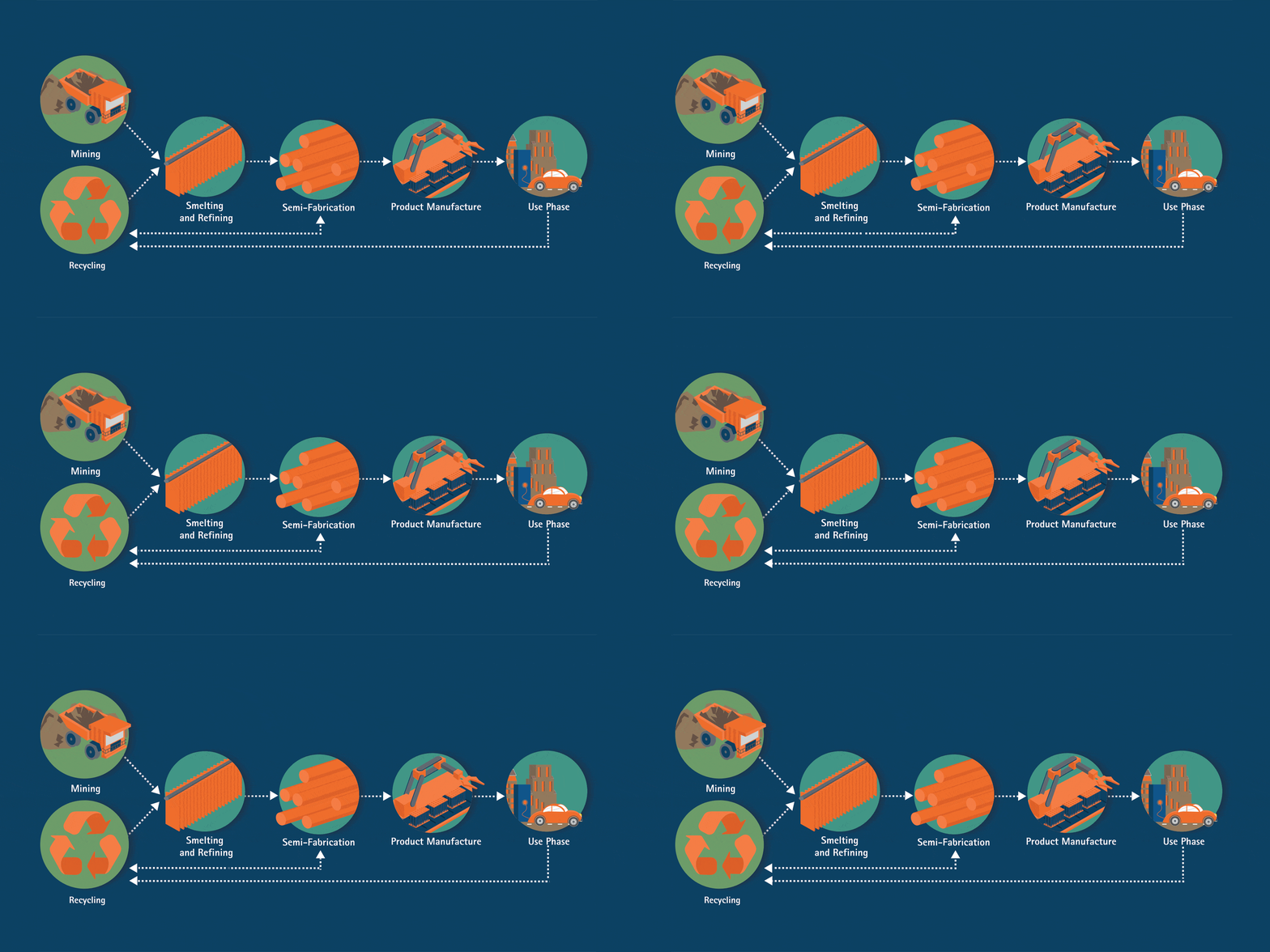
Demand is going through the roof
Right now, we want more copper than ever. Three big reasons:
Renewable energy. A solar or wind farm needs 2.5 to 7 times more copper than a gas or coal plant to produce the same amount of power. All those panels and turbines need long stretches of wiring to gather the electricity and bring it to one point. More renewables, more copper. Doesn’t mean we should stop the transition, btw!
Electric vehicles. A regular car uses around 20 kg of copper. An EV uses over 50 kg. It’s there in the motor, the battery, the inverter, the wiring, and the charging equipment. As buses and trucks start going electric too, that number only climbs. Again, that transition is required!
AI and data centers. This might be the biggest one yet. AI runs on computing, computing runs on data centers, and data centers are basically giant rooms of servers, cooling systems, power distribution units, and transformers, all of which need copper. We can probably cut some slack (or copper) here!
The supply can’t keep up
You’d think we’d just dig up more. Sure, there’s plenty of copper in the ground. The problem isn’t that it’s rare (yet); it’s that getting it out is difficult.
Permits take forever. The industry is struggling to find enough workers. And building a brand new mine? That’s a 20 to 30-year project, during which costs often balloon.
Then there are environmental hazards such as clearing large tracts of land, displacing tribes, and using limited water resources to run these mines.
So demand is skyrocketing, supply is stuck in slow motion, and the gap keeps widening.
What about replacements?
There are a few options, but they are not promising for now:
Aluminum can step in for some jobs (like overhead power lines), but not most of them. Even in the best case, it could only cover about 2% of what copper currently does.
Fiber optics is great at carrying data, better than copper, actually, but it can’t carry power. So they’re a partial fix at best.
Newer materials like ultra-conductive aluminum, carbon nanotubes, and niobium phosphide show real promise. But they’re still deep in lab-coat territory, years away from showing up at scale.
So, for now, the world still needs copper. A lot of it. But we also need smarter ways to mine it, recycle it, and stretch every kilogram. Some brands are taking this challenge on.
But before we discuss them, here’s the quiz of the week:
⌛ Time for the quiz of the week
Note: Answer at the end of the newsletter. No one (including me) can see your response, so feel free to vote. 😉
Transition Metal Solutions
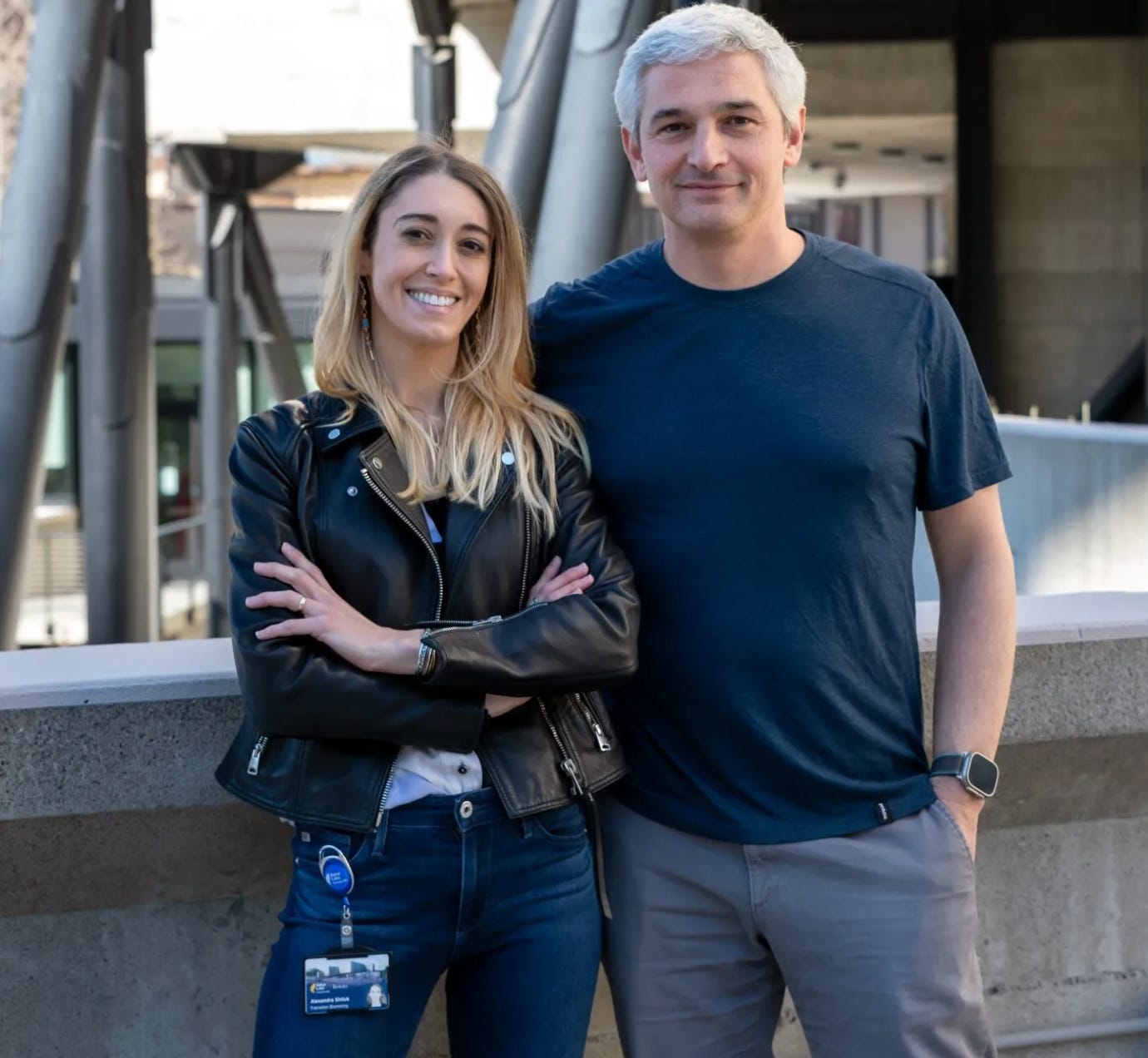
Transition Metal Solutions thinks it can wring a lot more copper out of the same rock by helping the microbes that do the heavy lifting.
Microbes have long been essential to heap leaching, freeing copper from minerals so it can be refined. Transition Metal Solutions argues that the industry has been optimizing the wrong way, by isolating or engineering a few promising strains, growing them up, and then dumping them onto ore heaps.
The startup says that in reality, those microbes are not lone heroes. They live in complex communities where different organisms support one another, and boosting one strain only goes so far.
So Transition’s approach is to lift the whole community with mostly inorganic additives already present at many sites.
Even accounting for some drop-off outside the lab, it expects the impact to be meaningful. While traditional methods recover roughly 30% to 60% of the copper in ore, Transition aims for 50% to 70%, and possibly more.
Recupere Metals
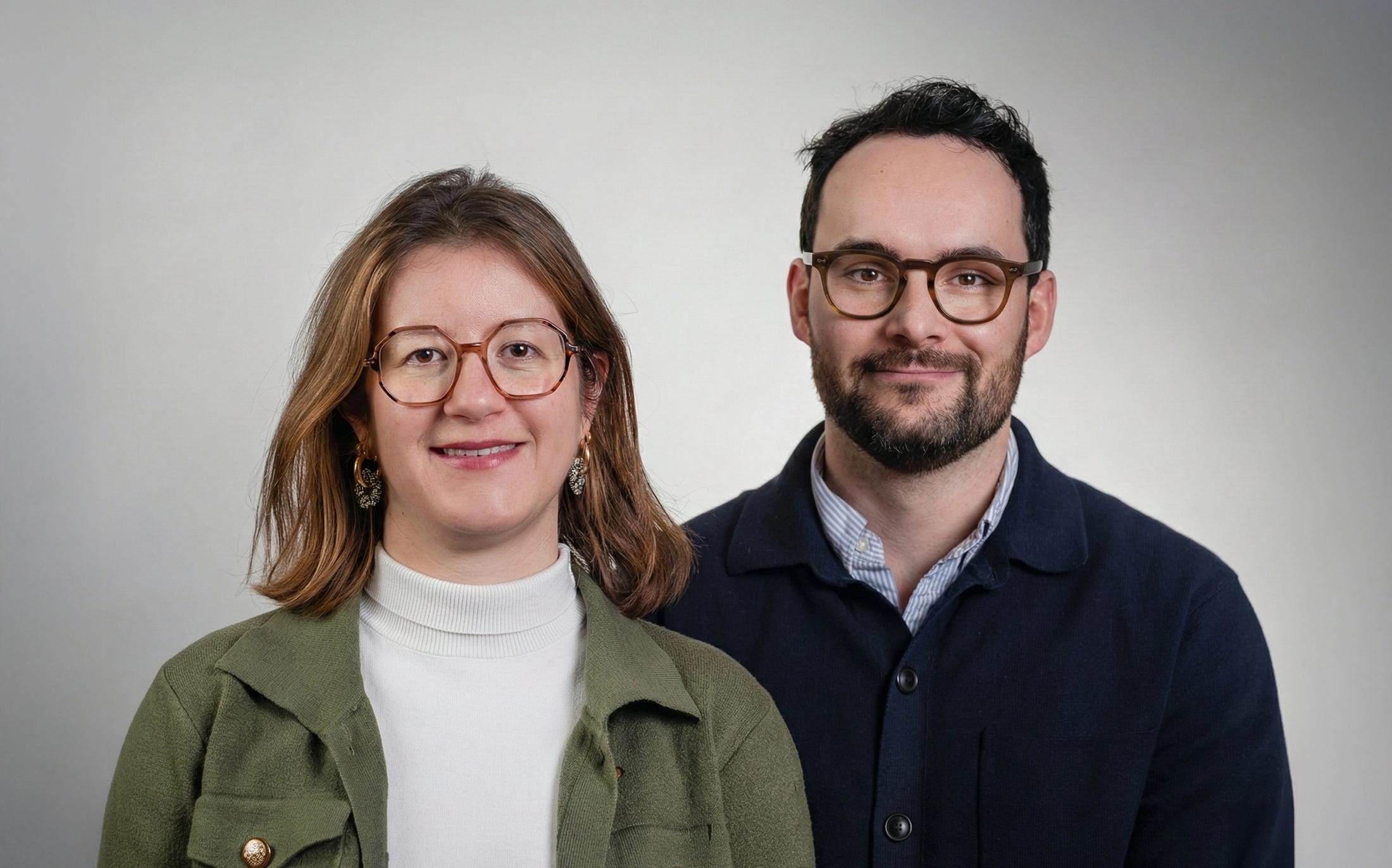
Recupere Metals is scaling an innovation that produces high-conductivity copper electrical wire from 100% recycled feedstock.
By removing the need for smelting (extracting copper from ore) and refining (separating impure copper from pure copper), the process enables a smarter, more efficient route to producing copper winding wire while materially reducing GHG emissions.
Targeting the $30bn winding wire market, Recupere Metals will supply 100% recycled copper electrical winding wires to EV motor manufacturers, wind turbine manufacturers, and electrical component manufacturers.
NextOre
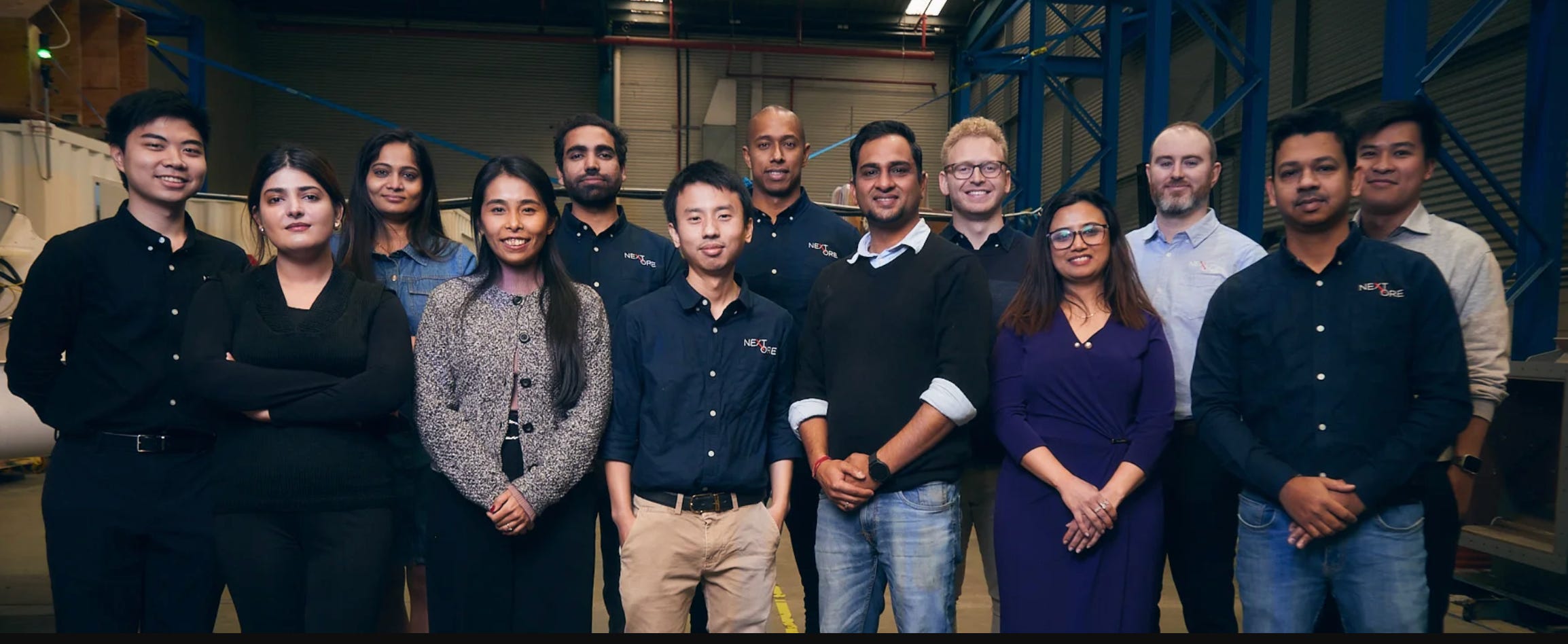
NextOre helps mines upgrade ore before it reaches the processing plant, so less rock is hauled, crushed, and treated for the same amount of metal.
With conventional mining, most material pulled out of the ground gets sent through crushers and grinders, even though a large share is waste rock. That means operators spend a lot of energy and money breaking down and processing material that never turns into saleable metal, while also creating more waste and using more water.
NextOre tackles this upstream with its Magnetic Resonance Analyser (MRA), a sensor adapted from medical MRI technology by Australia’s CSIRO. As ore moves past the scanner, the system measures it in real time and automatically kicks out low-grade material using a pneumatic reject.
The difference is simple: instead of processing everything and hoping the valuable part shows up later, NextOre sorts early, lifting head grade while cutting waste, water, and energy use, and helping mines stay productive even as ore grades decline.
Quiz answer: Chile

Give that 💚 a little tap if this edition helped you learn something new about sustainability and climate change. Have a good weekend and see you next week :)